 Appworthy

App Store
Version 3.1.8 · 2026-08-07
Thank you for using Confide! Version 3.1.8: - General bug fixes & improvements
Too little checked to say Only 270 reviews read, too few to say.
From our automated analysis, 27 Oct 2026.
This analysis describes version 3.1.8 of the app, analyzed 2026-10-27 .
The store currently lists version 3.1.8, updated 2026-08-07.

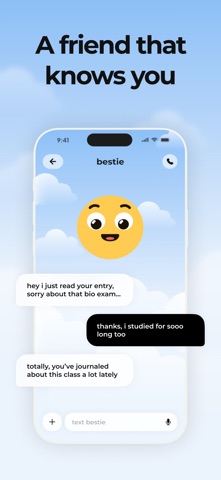

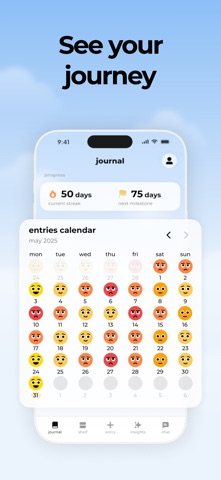
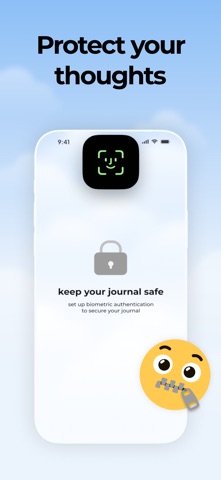


Store screenshots supplied by the developer.
Confide is a video journal that talks back. You record. We listen, organize, and turn your entries into real conversations with an AI bestie who knows your backstory.
Why 200k+ Users Love Confide
Your entries power real context. Talk to an AI that actually remembers what you’ve shared.
Tap record. We do the writing. Confide transcribes and organizes your thoughts for you.
Get helpful insights. See patterns in mood, habits, and places.
Turn journaling into a habit. Gentle reminders and streaks keep you consistent.
Keep it private.…
From the developer’s store description.
For developers and the curious
The evidence, sources, measurements and versions behind every label above.
No review-based observation is published in this assessment. That does not establish that reviewers had no problems.
“Not assessed” means we could not measure it. It is never a zero and never a pass.
No package has been scanned for this app, so nothing is published about what it ships. That is an absence of evidence, not a finding.
Supporting measurements: not a complete list of possible harms or positives. Measurement vocabulary 1.4 · how these are measured
This analysis describes version 3.1.8 of the app, analyzed 2026-10-27 .
The store currently lists version 3.1.8, updated 2026-08-07.
Each store’s release notes, as the developer wrote them. They are the developer’s words, not ours.
Thank you for using Confide! Version 3.1.8: - General bug fixes & improvements
confideAssessed 2026-10-27 from 270 user reviews, the store listing and its privacy label. We have not scanned the app's package, so nothing on this page was read from inside the app itself.
What the stores publish. Store ratings are the stores’ numbers, not Appworthy’s, and are never averaged across stores.
From the store listing. Billing terms are read from each purchase’s name — the stores don’t publish them — so treat them as a strong hint, not a disclosure.
This assessment is produced automatically. Three independent signals are read — user reviews, the store listing and the store privacy disclosure — and each candidate finding is filed under the sources that support it.
No charge stands on one kind of evidence — with one published exception. A finding is either a measured fact that anyone can reproduce (an ad SDK is in the package; every subscription bills weekly; the privacy label omits a tracker we can see), or it is an interpretation — and an interpretation needs independent sources to agree before it reaches the catch list. The exception is a harm only users can see: a charge may publish from reviews alone, as “Reported by N users”, once enough reviewers raise it to clear that charge’s own published bar. That agreement rule is what replaced the human reviewer, not a model’s confidence.
There is no overall score, on purpose. A 0–99 number was published here until 2026-09-15. It was withdrawn because it discriminated too weakly to be the instrument — 44.7% of every pair of apps tied — and because a single number is a verdict where a count is an observation. What publishes instead is a row of measurements, each of which says what was counted and, where we could not look, says that instead.
Findings under One source only are real reports we do not stand behind as findings. They are shown because withholding them entirely would hide a genuine complaint, and labelled because publishing them as charges would be an accusation off a single source.
Write to [email protected], or use the form. Name the finding, the app version and the evidence that needs correcting. Factual corrections are free and never depend on buying anything.