 Appworthy

App Store
Version 10.18 · 2026-10-05
Bug fixes and stability improvements
Version 10.17 · 2026-09-21
Bug fixes and stability improvements
Nothing published. That is not a guarantee the app is problem-free.
No specific positive published.
From our automated analysis, 7 Oct 2026.
This analysis describes version 10.17 of the app, analyzed 2026-10-07 . The app may have changed since.
The store currently lists version 10.18, updated 2026-10-05.
The app has been updated since this analysis. The findings on this page describe version 10.17, not the version now listed on the store.
The developer’s release notes for the newer versions, where we hold them, are in Versions and dates analysed.


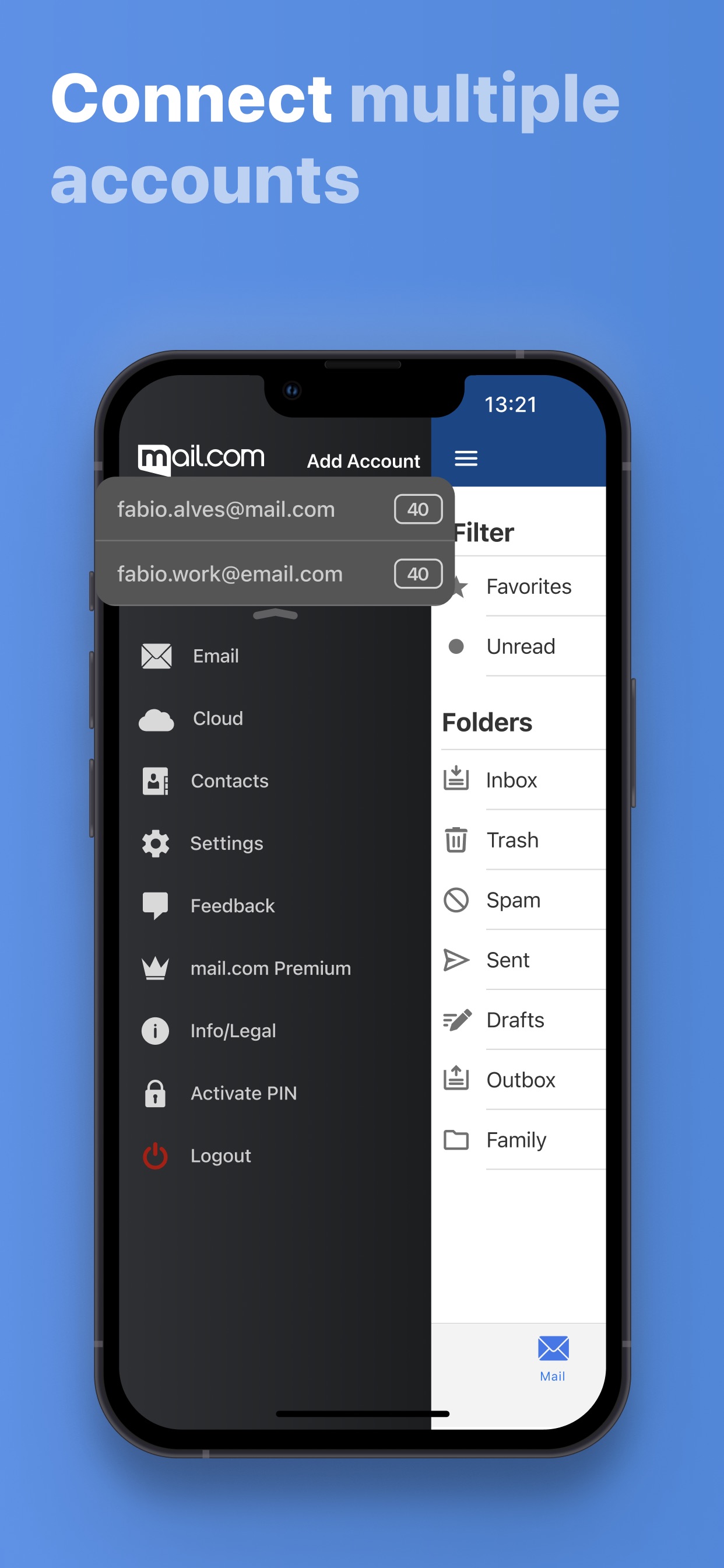

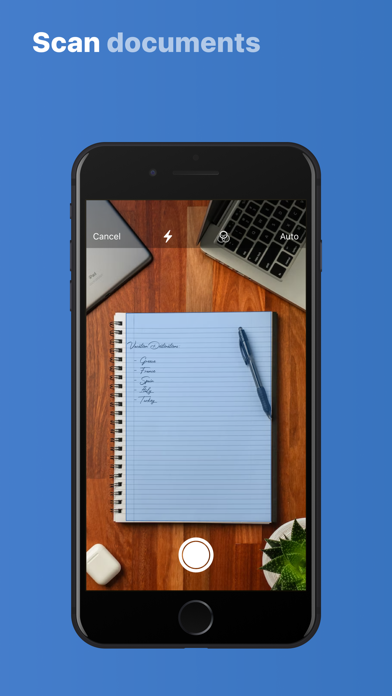

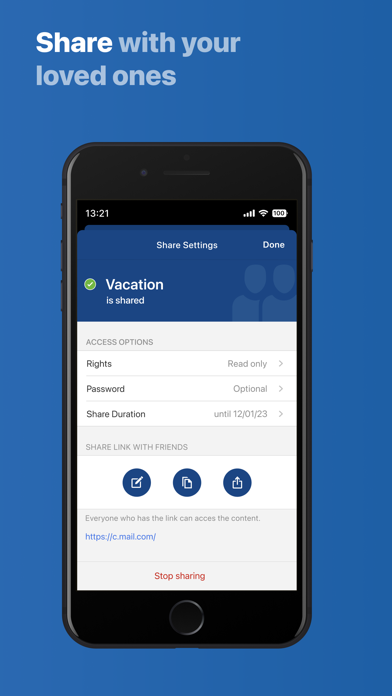
Store screenshots supplied by the developer.
The mail.com mail app for iPhone and iPad lets you take your email and cloud wherever you go.
The mail.com mail app brings comprehensive functionality to your mobile device. Perfect for iPhone and iPad users, the email app from mail.com puts a wealth of productivity tools directly into your hand. Check all your email addresses and view your cloud documents from one centralized mailbox – wherever you go. Enable push notifications to ensure you never miss an important message again. Discover the many features of the mail.com email app and get your emails whenever you need them, wherever you are.
What customers are saying:
"Everything you could wish for. Simply open, read, delete, done. No frills or 1000 options to subscribe or play. Thanks"
"Good stuff. The way email should work today!"
"Cool.…
From the developer’s store description.
For developers and the curious
The evidence, sources, measurements and versions behind every label above.
No review-based observation is published in this assessment. That does not establish that reviewers had no problems.
Supporting measurements. They are not a complete list of possible harms or positives. “Not assessed” means we could not measure it — never zero, never a pass.
No package has been scanned for this app, so nothing is published about what it ships. That is an absence of evidence, not a finding.
Measurement vocabulary 1.4 · how these are measured
This analysis describes version 10.17 of the app, analyzed 2026-10-07 . The app may have changed since.
The store currently lists version 10.18, updated 2026-10-05.
The app has been updated since this analysis. The findings on this page describe version 10.17, not the version now listed on the store.
Release notes for the newer versions, in the developer’s own words:
Bug fixes and stability improvements
Each store’s release notes, as the developer wrote them. They are the developer’s words, not ours.
Bug fixes and stability improvements
Bug fixes and stability improvements
mail-com-apple-461316429Assessed 2026-10-07 from 300 user reviews, the store listing and its privacy label. We have not scanned the app's package, so nothing on this page was read from inside the app itself.
What the stores publish. Store ratings are the stores’ numbers, not Appworthy’s, and are never averaged across stores.
No itemized purchase list is available for this listing.
This assessment is produced automatically. Three independent signals are read — user reviews, the store listing and the store privacy disclosure — and each candidate finding is filed under the sources that support it.
No charge stands on one kind of evidence — with one published exception. A finding is either a measured fact that anyone can reproduce (an ad SDK is in the package; every subscription bills weekly; the privacy label omits a tracker we can see), or it is an interpretation — and an interpretation needs independent sources to agree before it reaches the catch list. The exception is a harm only users can see: a charge may publish from reviews alone, as “Reported by N users”, once enough reviewers raise it to clear that charge’s own published bar. That agreement rule is what replaced the human reviewer, not a model’s confidence.
There is no overall score, on purpose. A 0–99 number was published here until 2026-09-15. It was withdrawn because it discriminated too weakly to be the instrument — 44.7% of every pair of apps tied — and because a single number is a verdict where a count is an observation. What publishes instead is a row of measurements, each of which says what was counted and, where we could not look, says that instead.
Findings under One source only are real reports we do not stand behind as findings. They are shown because withholding them entirely would hide a genuine complaint, and labelled because publishing them as charges would be an accusation off a single source.
Write to [email protected], or use the form. Name the finding, the app version and the evidence that needs correcting. Factual corrections are free and never depend on buying anything.