
PolyNome: THE Metronome

Practice, Perform & Map Songs

PolyNome Ltd
App Store rating4.7★665 ratings
Price$9.99In-app $7.99–$139.00
Age4+Store age rating
Size224 MBiPhone download
CategoryLifestyle
DeveloperPolyNome Ltd

What we found

Full report

Too little checked to say Only 374 reviews read, too few to say.

Money

  • $9.99 to download · in-app purchases $7.99–$139.00 (5 listed). Monthly plan $7.99 (about $96 a year); yearly plans $32.00 and $36.99. The other purchases’ names don’t say how often they bill.
  • If you subscribe through the store, cancel in iPhone Settings → your name → Subscriptions. Deleting the app doesn’t cancel a subscription.

From our automated analysis, 27 Oct 2026.

This analysis describes version 26.10.2 of the app, analyzed 2026-10-27 .

The store currently lists version 26.10.2, updated 2026-10-22.

Preview

Screenshot 1Screenshot 2Screenshot 3Screenshot 4Screenshot 5Screenshot 6Screenshot 7Screenshot 8

Store screenshots supplied by the developer.

About this app

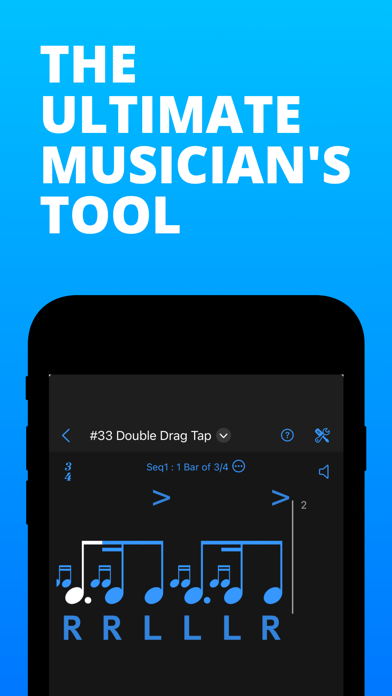
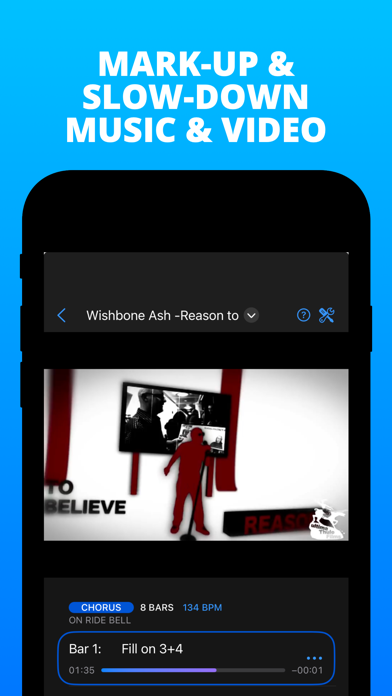
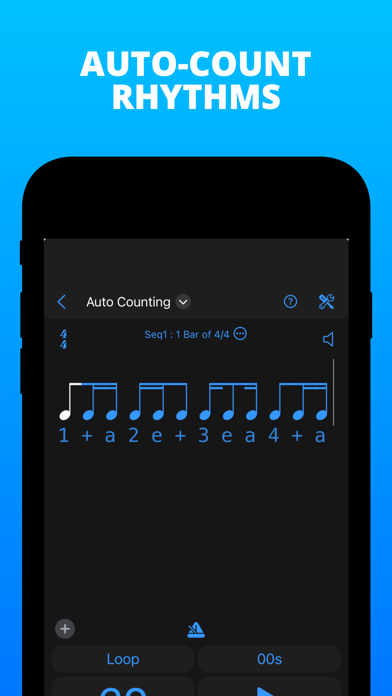
LEARN — Loop and slow down songs, program rudiments and difficult rhythms, and add counting.

PRACTICE — Test your speed, automate tempo changes, chart live tempo, and track progress.

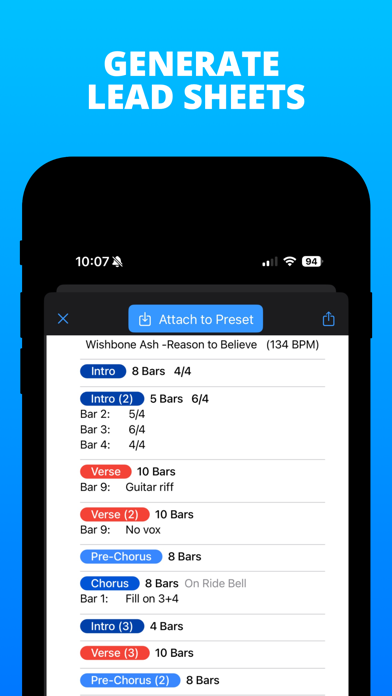
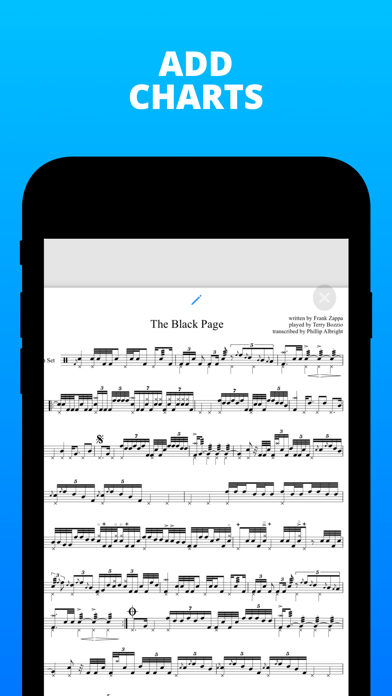
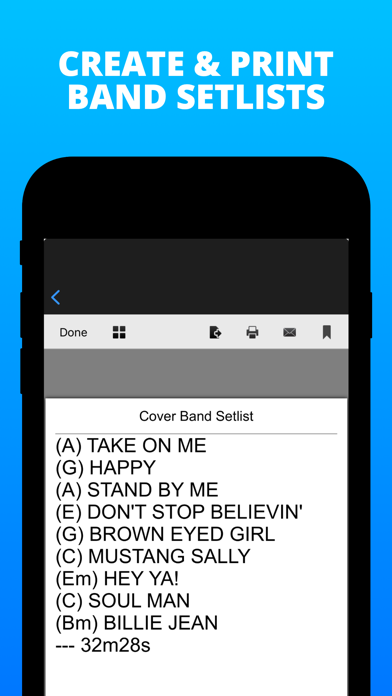
PERFORM — Create Setlists with count-offs, performance notes, and PDF charts.

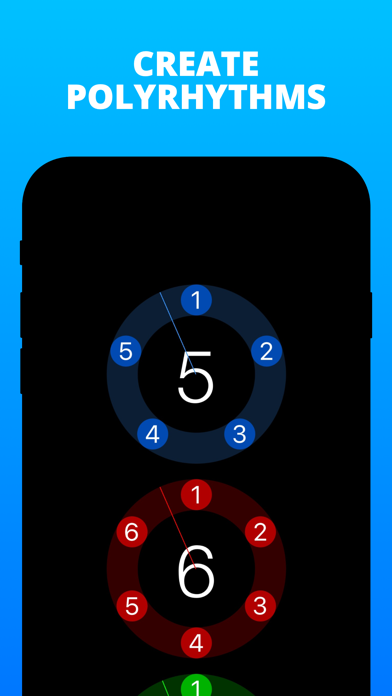
Basic includes the metronome, programming for virtually any rhythm, tempo automation, polyrhythms, and standard Speed Tests.

Premium adds Playlists, Media Tracks, Cue Tracks, Live Tempo, advanced Practice Log features, and more via In-App Purchase. Try Premium free for one month if eligible.

Premium supports ongoing development, bringing new features and regular improvements.

Designed by a musician, for musicians. Used by Vinnie Colaiuta, Peter Erskine, Virgil Donati, Dennis Chambers & more.

◆ THE BASICS…

From the developer’s store description.

For developers and the curious

The full report

The evidence, sources, measurements and versions behind every label above.

Findings and evidence

0 published · 1 shown, not confirmed

One source only — shown, not confirmed 1

Open observations that have not cleared the evidence bar.

Usable without an account

One source only

The store privacy disclosure (4 entries) links no contact details or identifiers to the user — consistent with an app that does not require an account. Self-reported by the developer.

Sources
The store privacy disclosure
Agreement
Only one kind of source so far. Shown, not counted.
Where measured
From the App Store privacy disclosure

This observation has not cleared the required evidence standard.

Definition

The app's own screens offer a way past sign-up — guest access, skipping, or browsing before registering — rather than gating the product behind an account. The store's privacy disclosure is checked alongside it: that disclosure is self-reported, so it corroborates this credit rather than establishing it.

Open evidence

Nothing was published as a thing to watch for in this assessment. That is not a finding that nothing is wrong with the app.

What reviewers report

374 reviews read · 0 review-based observations

No review-based observation is published in this assessment. That does not establish that reviewers had no problems.

Measurements

5 measured · 3 not assessed

“Not assessed” means we could not measure it. It is never a zero and never a pass.

From store data and reviews

Developer replies to reviews
Replies to fewer than 1 review in 20
Price in the store description
The store description doesn’t list prices (most don’t)
Cancelling, in the store description
The store description doesn’t say how to cancel (most don’t)
Themes reported by reviewers
No theme reported
Counted from the reviews we have read for this app. "No theme reported" means no theme reached our reporting threshold — it is not a finding that nothing is wrong with this app, and we do not say it is.
Five-star share of ratings
80–89% five-star
Arithmetic on the stores' own published rating counts. It says nothing about why the ratings fall where they do.

In the app package we scanned

No package has been scanned for this app, so nothing is published about what it ships. That is an absence of evidence, not a finding.

Sensitive permissions
Not assessed
No package has been scanned for this app
Analytics or tracking SDKs in the scanned package
Not assessed
No package has been scanned for this app
Advertising SDKs in the scanned package
Not assessed
No package has been scanned for this app
How we know

Supporting measurements: not a complete list of possible harms or positives. Measurement vocabulary 1.4 · how these are measured

Versions and dates analysed

Assessed 27 Oct 2026

This analysis describes version 26.10.2 of the app, analyzed 2026-10-27 .

The store currently lists version 26.10.2, updated 2026-10-22.

Store update history

Each store’s release notes, as the developer wrote them. They are the developer’s words, not ours.

App Store

Version 26.10.2 · 2026-10-22
Meet your new practice toolkit: Speed Test, live tempo charts, Cue Tracks, Simple Mode, printable notation, and chords and transposition for Media Tracks. Plus clearer Goals, a refreshed Practice Log, and more! SPEED TEST Find out how fast you can play, save personal bests, and share your progress. Review the recording to check the stroke count. Explore detailed pace, spacing and dynamics charts, custom exercises, and Challenges for lessons and groups. LIVE TEMPO CHARTS See live tempo on a rolling BPM graph, record rehearsals, and review tempo changes. Analyze existing audio files or turn saved recordings into Media Tracks. CUE TRACKS Map a complete song without an audio file. Give each…

Shortened here; the full notes are on the store listing.

Assessment record

Status
Automated analysis
App identifier
polynome
Assessment date
27 Oct 2026
Sources used
3 independent signals: user reviews, the store listing and the store privacy disclosure
Reviews read
374
Package examined
No package scan
Human inspection
Not completed

Assessed 2026-10-27 from 374 user reviews, the store listing and its privacy label. We have not scanned the app's package, so nothing on this page was read from inside the app itself.

How we know
Measurement vocabulary
1.4

How this page was produced

Analyzed 2026-10-27 Version analyzed: 26.10.23 independent signals374 reviews scannedConfidence: HighNot human-reviewedVocabulary v1.13Methodology v1.3
Signals run: user reviews, the store listing and the store privacy disclosure. Not yet checked: SDKs in the app package, the app's own on-screen text and the app manifest.

Store facts

App Store

What the stores publish. Store ratings are the stores’ numbers, not Appworthy’s, and are never averaged across stores.

App Store

Store rating
4.74 ★ · 665 ratings
Version
26.10.2
Updated
22 Oct 2026
Price
$9.99
Age rating
4+
Size
224 MB
Open in App Store
Developer
PolyNome Ltd
Category
Lifestyle
Listing price
$9.99

Purchases the store lists

 What this app sells

From the store listing. Billing terms are read from each purchase’s name — the stores don’t publish them — so treat them as a strong hint, not a disclosure.

Subscriptions3
Premium - 1 MonthMonthly$7.99
Premium - 1 YearYearly$36.99
Premium - 1 YearYearly$32.00
Buy once1
Premium LifetimeLifetime$139.00
Show 1 more purchase we couldn’t categorise

These are really on sale; we just can’t tell from the name whether they recur.

Pro UpgradeTerm not stated$49.99

Method and limits

What this report can and cannot show

How the automated analysis works

This assessment is produced automatically. Three independent signals are read — user reviews, the store listing and the store privacy disclosure — and each candidate finding is filed under the sources that support it.

No charge stands on one kind of evidence — with one published exception. A finding is either a measured fact that anyone can reproduce (an ad SDK is in the package; every subscription bills weekly; the privacy label omits a tracker we can see), or it is an interpretation — and an interpretation needs independent sources to agree before it reaches the catch list. The exception is a harm only users can see: a charge may publish from reviews alone, as “Reported by N users”, once enough reviewers raise it to clear that charge’s own published bar. That agreement rule is what replaced the human reviewer, not a model’s confidence.

There is no overall score, on purpose. A 0–99 number was published here until 2026-09-15. It was withdrawn because it discriminated too weakly to be the instrument — 44.7% of every pair of apps tied — and because a single number is a verdict where a count is an observation. What publishes instead is a row of measurements, each of which says what was counted and, where we could not look, says that instead.

Findings under One source only are real reports we do not stand behind as findings. They are shown because withholding them entirely would hide a genuine complaint, and labelled because publishing them as charges would be an accusation off a single source.

Limits of this report

  • A package scan is static. It identifies code and text in one Android build. It does not measure a live ad session, test a deletion request, or count the steps needed to cancel.
  • Reviews keep their sample. A review-only charge shows distinct reviewers, the share and the sample size, and is published only once it clears that label’s published threshold. Calibration labels are machine-drafted and not yet confirmed by a person.
  • Not assessed is a state. It is never a zero and never a pass.
  • A missing label is not a clean bill of health. It means the evidence did not support one, not that the app is problem-free.
Not yet human-reviewed. A hands-on test can confirm or contradict a finding and adds its own measurements; it does not change a measurement row. Hands-on inspections are not yet open.

Request a correction

[email protected]

Write to [email protected], or use the form. Name the finding, the app version and the evidence that needs correcting. Factual corrections are free and never depend on buying anything.