 Appworthy
Google Play
Version 26.10.19 · 2026-10-19
No release notes were provided for this version.
UserLAnd allows you to run several Linux distributions like Ubuntu, Debian,…
UserLAnd TechnologiesToo little checked to say Only reviews have been read so far (400 reviews). The app itself hasn’t been analysed.
From review signals only, 27 Oct 2026.
The store currently lists version 26.10.19, updated 2026-10-19.
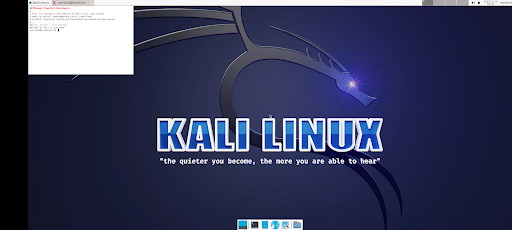
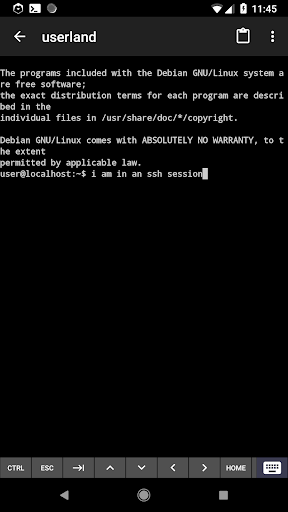
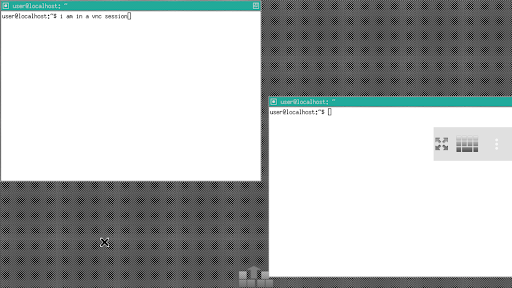
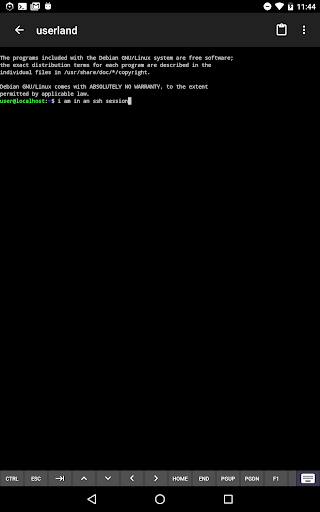
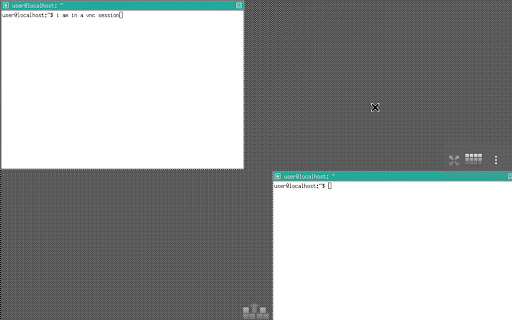
Store screenshots supplied by the developer.
UserLAnd allows you to run several Linux distributions like Ubuntu,
Debian, and Kali.
- No need to root your device.
- Use a built-in terminal to access your favorite shells.
- Easily connect to VNC sessions for a graphical experience.
- Easy setup for several common Linux distributions, like Ubuntu and Debian.
- Easy setup for several common Linux applications, like Octave and Firefox.
- A way to experiment and learn Linux and other common software tools from the palm of your hand.
UserLAnd was created and is being actively maintained by the folks behind the popular Android
application, GNURoot Debian. It is meant as a replacement for the original GNURoot Debian app.
When UserLAnd first launches, it presents a list of common distributions and Linux applications.
Clicking one of these then leads to a series of set-up prompts.…
From the developer’s store description.
For developers and the curious
The evidence, sources, measurements and versions behind every label above.
No recurring theme reached our reporting threshold in the reviews we scanned.
400 reviews scanned. These are signals from public reviews, not findings. Nothing here is an assessment.
No recurring theme reached our reporting threshold in the reviews we scanned. That does not establish that reviewers had no problems.
“Not assessed” means we could not measure it. It is never a zero and never a pass.
No package has been scanned for this app, so nothing is published about what it ships. That is an absence of evidence, not a finding.
Supporting measurements: not a complete list of possible harms or positives. Measurement vocabulary 1.4 · how these are measured
Review signals only. No automated analysis of the app itself has been run, so there is no analysed version to report; the signals were read from public reviews on 27 Oct 2026.
Each store’s release notes, as the developer wrote them. They are the developer’s words, not ours.
No release notes were provided for this version.
userlandWhat the stores publish. Store ratings are the stores’ numbers, not Appworthy’s, and are never averaged across stores.
A review signal is produced automatically from public app reviews by a classifier — never by a hands-on Appworthy test, and never by a human analyst. It exists so a real, not-yet-audited app can carry more than a blank “Not yet tested” listing, without ever being mistaken for an assessment.
A theme only appears above once at least 5 distinct reviews corroborate it — one angry review can never tag an app. These thresholds are published settings and may be tuned as coverage grows.
It carries no confirmed findings — reviews are one kind of evidence, and nothing here has been hands-on tested. The moment Appworthy publishes a full assessment of this app, it replaces this signal, permanently.
Write to [email protected], or use the form. Name the finding, the app version and the evidence that needs correcting. Factual corrections are free and never depend on buying anything.